


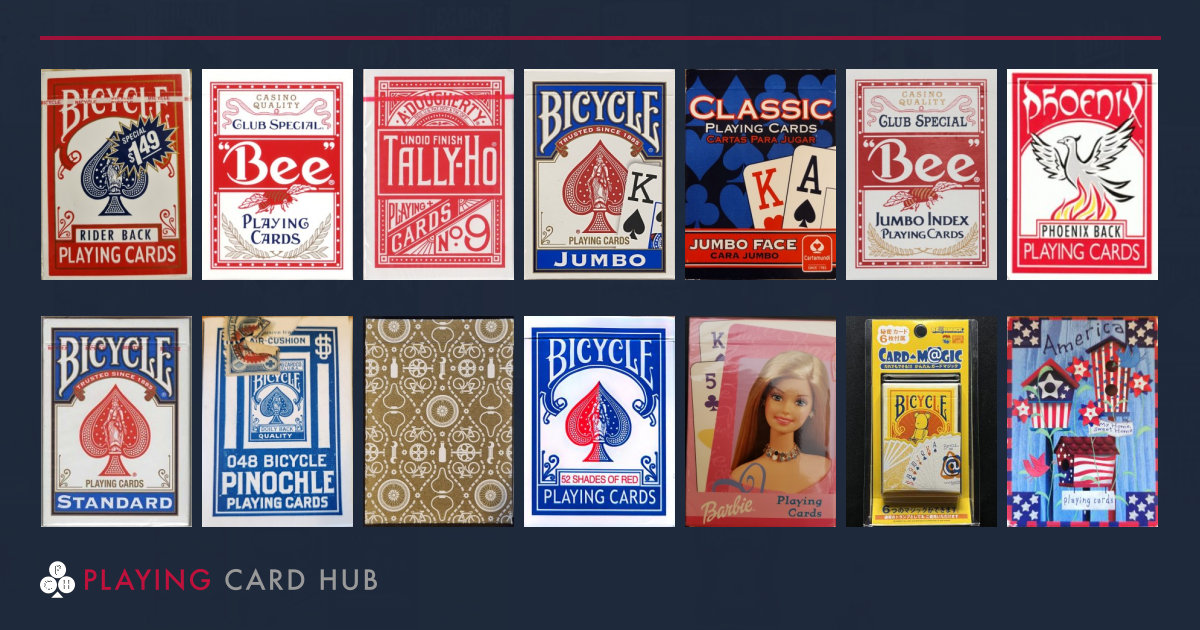
A card trick lives or dies in the half-second when nobody's supposed to notice anything. That's why magicians can be so particular about their cards. The right deck feels familiar to an audience, handles the same way every time and doesn't draw attention to itself at the exact moment you need it not to.
This guide covers what magicians look for in a deck, how to choose cards for close-up, stage and everyday carry, and the decks we'd point you toward for each. Every deck mentioned links to its page on PlayingCardHub, where you can see its company, year and finish, and add it to your collection or wishlist for free.
What makes a deck good for magic?
The best playing cards for magic aren't always the flashiest. Here's what tends to matter most.
Reliable, consistent handling
Sleights depend on muscle memory. If one deck is slicker than the last, a double lift or a pass that worked yesterday can suddenly feel off. Magicians value a deck that handles the same from one copy to the next, so they can open a fresh deck before a show and trust it straight away.
A finish that spreads evenly
A clean, even spread across a table or between your hands sells a lot of tricks. A finish that lets cards glide without clumping makes spreads, fans and controls look smooth and natural. You can browse every finish in the database on the finishes page.
Familiar backs and faces
Audiences trust what they recognize. A deck with a classic, familiar back looks like "just a normal deck of cards", which is often exactly what you want. Ornate custom designs can be beautiful, but they can also make people wonder whether the deck is special. Many magicians keep a classic deck for performing and save artistic decks for their collection or for routines where the design is part of the story. Browse decks by back style on the backs page.
Works well with gaffs and marked decks
A lot of magic uses gaffed cards (specially printed or altered cards) or marked decks. For those routines, your everyday deck needs to match the gaffs you own so that nothing stands out when they're mixed in. That's one reason many magicians stick with one style of deck for years. If a deck has a matching marked or gaff version, check the deck's page and the manufacturer's information rather than assuming.
Easy to replace
Decks wear out, get lost and sometimes get signed and handed to a spectator. A performing deck you can get again easily, in the same design, is worth a lot.
Choosing a deck for how you perform
Different settings ask different things of your cards.
- Close-up happens inches from the audience, so handling and a natural, familiar look matter most.
- Stage and parlor puts you further away, so cards need to be readable. Clear indices, bold faces and good contrast help people at the back follow along.
- Everyday carry is the deck that lives in your pocket or bag. It should be durable, easy to replace and ready for an impromptu trick anywhere.
Best decks for close-up magic
For close-up, you want a deck that disappears into the trick. Look for consistent handling, a smooth spread and a back that reads as ordinary.
- Bicycle Rider Back:
 Rider Back [Bicycle]
USPCC
- Bee Standard Index Red:
 Bee Standard Index Red
USPCC
3/5
- Tally-Ho Circle Back Red:
 Tally-Ho Circle Back Red
USPCC
2011
4/5
Our take: If you're learning sleight of hand, choose one close-up deck and stay with it for a while. Practicing with the same deck builds muscle memory much faster than switching around, and it gives you a baseline to compare every other deck against.
Best decks for stage and parlor magic
From the stage, your audience can't see small details, so readability comes first. Large, clear indices and strong contrast between the card faces and backs help everyone follow the trick.
- Bicycle Jumbo Index 140 Years Blue:
 Jumbo Index 140 Years Blue
Bicycle
5/5
- Classic Jumbo Face Blue:
 Classic Jumbo Face Blue
Cartamundi
2/5
- Bee Jumbo Index Red:
 Bee Jumbo Index Red [Black Seal]
USPCC
2016
3/5
Our take: Stand at the back of the room and have someone hold up a card. If you can't read it easily, your audience can't either. It's a quick test worth doing with any deck before you build a stage routine around it.
Best everyday carry decks for magicians
Your everyday carry deck takes a beating. It rides in pockets, gets handled by strangers and comes out in all kinds of light. Durability and easy replacement matter more than looks.
- Phoenix Red:
 Phoenix Red
Card Shark
2015
4/5
- Bicycle Standard Blue:
 Bicycle Standard Blue, 140 Years Tuck Seal
Bicycle
2025
Our take: Keep a spare of your everyday carry deck at home. When the one in your pocket starts to clump or the box falls apart, swapping it out is painless, and your handling won't change.
Browse magic decks by company
Some companies are especially popular with magicians, and many performers settle on one maker for both their everyday decks and their gaffs. To explore everything a company has released, start from the companies page, or see
 048 Bicycle Pinochle
Bicycle
5/5
 1885 Inverted (Inside Out Tuck) [Bicycle]
Bicycle
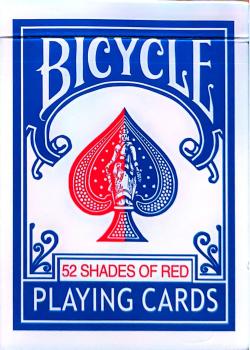 52 Shades of red
Bicycle
 Barbie
Bicycle
 Be@rbrick Blisterpack [Bicycle]
Bicycle
5/5
 Bicycle - America, My Home Sweet Home
Bicycle
For more collections like this one, visit the magic decks hub.
Should you perform with collectible decks?
It's tempting to bring out a rare or limited deck for a trick. Some magicians love doing this for the right audience, because a beautiful deck can be part of the show. But performing wears cards down, and spectators handle them. If a deck matters to your collection, consider keeping one copy sealed and performing with a second one. Our guide to Playing Card Grading: How to Judge the Condition of Your Decks explains why condition matters so much to collectors.
Caring for your performing decks
- Keep your hands clean and dry before a set. It protects the finish and keeps handling consistent.
- Rotate decks so no single deck wears out too quickly.
- Store decks in their tuck box, away from heat and humidity, when you're not using them. See How to Store Playing Cards (and Keep Your Collection Mint) for more.
- Replace decks before they let you down. A deck that clumps mid-trick isn't worth the risk.
Track your magic decks
Between performing decks, gaffs, spares and collectible decks, it's easy to lose track of what you own. Add your decks to a free PlayingCardHub collection, keep a wishlist of the ones you're hunting for and look up each deck's company, year and finish on its deck page. Create a free account to get started.
FAQ
Q: What are the best playing cards for magic tricks? A: The best decks for magic handle consistently, spread smoothly, look familiar to an audience and are easy to replace. For close-up, start with a Bicycle Rider Back, a Bee or a Tally-Ho. For stage, look for jumbo indices. For everyday carry, pick something durable you can get again easily.
Q: Why do magicians often use classic-looking decks? A: A familiar deck looks like an ordinary deck of cards, so the audience doesn't suspect anything special. It also tends to match the gaffed cards and marked decks many magicians use.
Q: What is a gaffed card? A: A gaffed card is a specially printed or altered card used in a magic trick, such as a double-backed or double-faced card. They work best when they match the regular deck you perform with.
Q: What should I look for in a deck for stage magic? A: Readability comes first. Large, clear indices and strong contrast help people far from you follow the trick.
Q: Can I use a collectible deck for magic? A: You can, but performing wears cards down. Many collectors keep one copy sealed and perform with a second one.
Q: Can I track my magic decks on PlayingCardHub? A: Yes. PlayingCardHub is a free deck database and collection tracker. You can add decks you own, keep a wishlist and see each deck's company, year and finish on its deck page.


